

A ticketing system was built to track work, not to do it. A request comes in, becomes a ticket, and waits in a queue for a person to pick it up, work it, and close it. An AI ticketing system changes that: the AI works the ticket itself, resolving the common ones end to end and handing your team only what genuinely needs them. The queue stops being a waiting room and starts being an exception list.
This post explains what an AI ticketing system is, how it changes each stage of the ticket lifecycle, what it connects to, and how to tell a resolving system from a chatbot stapled to a queue.
What an AI ticketing system is
It is a service desk where an AI agent is the first responder on the ticket. Instead of routing and tagging for a human to handle later, the agent reads the request, verifies the user where needed, performs the action, and records the outcome. A person still owns the complex and sensitive work, but the high-volume, repetitive tickets get resolved without one.
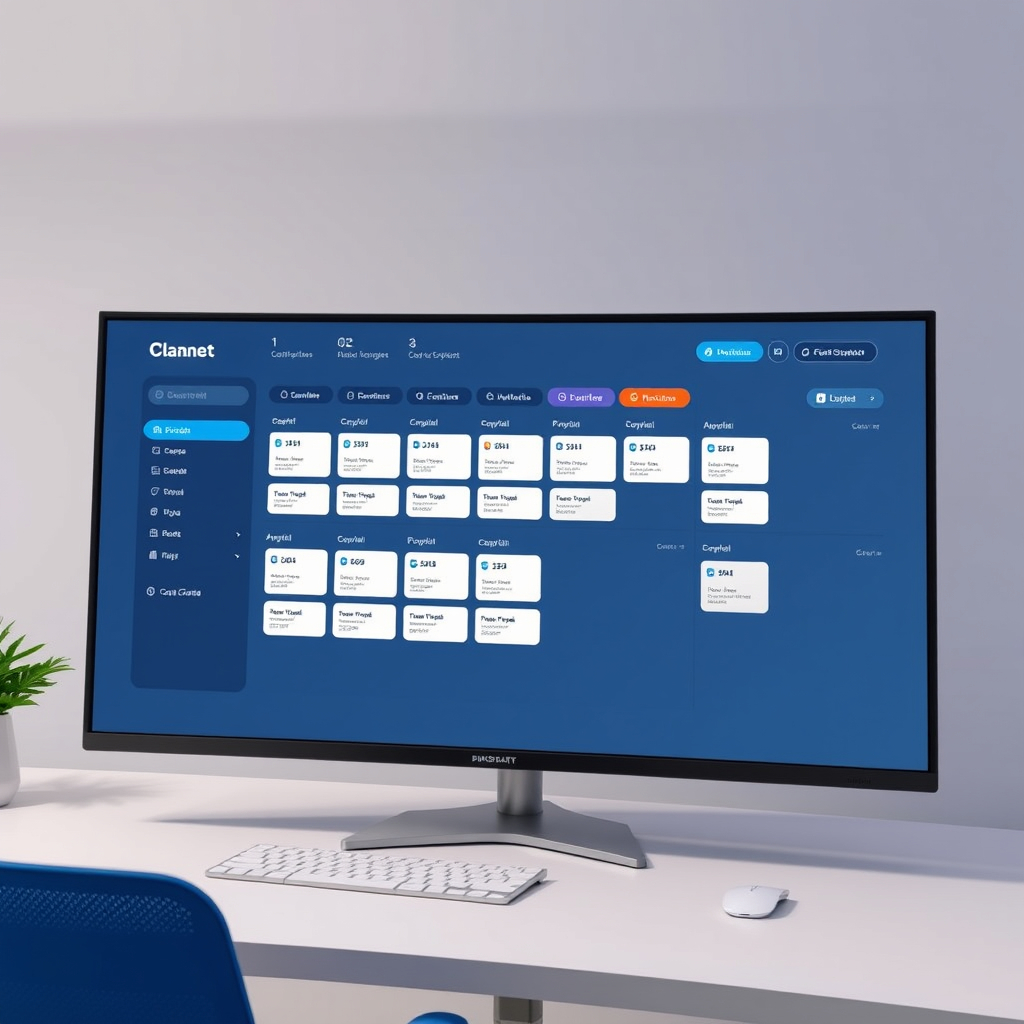
How it changes the ticket lifecycle
Walk through a ticket's life and the difference is visible at every stage:
Capture and create. The user asks on whatever channel they already use, and the ticket is created automatically with the right details, rather than the user filling out a form.
Triage. The agent classifies and prioritizes the request from its content, instead of leaving it to sit until someone categorizes it.
Resolve. For the common requests, password resets, access, status, how-to, the agent performs the action through connected systems and confirms it with the user.
Update and close. It writes a complete record, what was asked, what was done, and the outcome, and closes the ticket. What it cannot handle, it escalates with that context attached.
What it connects to
A resolving ticketing system is only as capable as what it can reach:
Your service desk or system of record. It can run on top of the platform you already use, or be the record itself, so tickets stay where your reporting lives.
Identity and directory. To verify who is asking before it acts on their account.
The systems it acts in. The tools where the actual work happens, so it can perform the change, not just describe it.
Your knowledge. Documentation and policy, so answers and actions are grounded in your real procedures.
Where it fits
The clearest starting point is any desk drowning in high-volume, repetitive tickets: internal IT, but also any support function where the same requests recur and the answers are documented. The agent absorbs that first-line load so your team's time goes to the tickets that need judgment.
What to look for
Resolution, not just deflection. Measure how many tickets it closes end to end, not how many it answers with an article.
It acts through connected systems. A system that performs the change beats one that only tells the user what to do.
It works with your service desk. Look for something that fits the platform you have rather than forcing a migration.
Grounded and auditable. Every action should come from your policy and leave a clean record.

FAQ
How is an AI ticketing system different from a help desk chatbot? A chatbot answers questions or deflects them to an article. An AI ticketing system works the ticket, performing the action and closing it, with a person handling the exceptions.
Do I have to replace my current ticketing tool? No. It can run on top of the service desk you already use, so your reporting and history stay in place. Becoming the system of record is an option, not a requirement.
What tickets should it handle first? The highest-volume, well-documented requests, password resets, account unlocks, access, and status, because they are the safest and highest-return to automate.
Does a person still stay in the loop? Yes. Complex, sensitive, or ambiguous tickets escalate to your team with the full context, so people handle the work that needs them.
Mira Resolve is Helios Core's AI-native service desk: it works the ticket end to end, resolving the common requests and escalating the rest with context, on top of the service desk you already run or as the system of record itself. See the AI service desk agent, or start with what AI ITSM means.